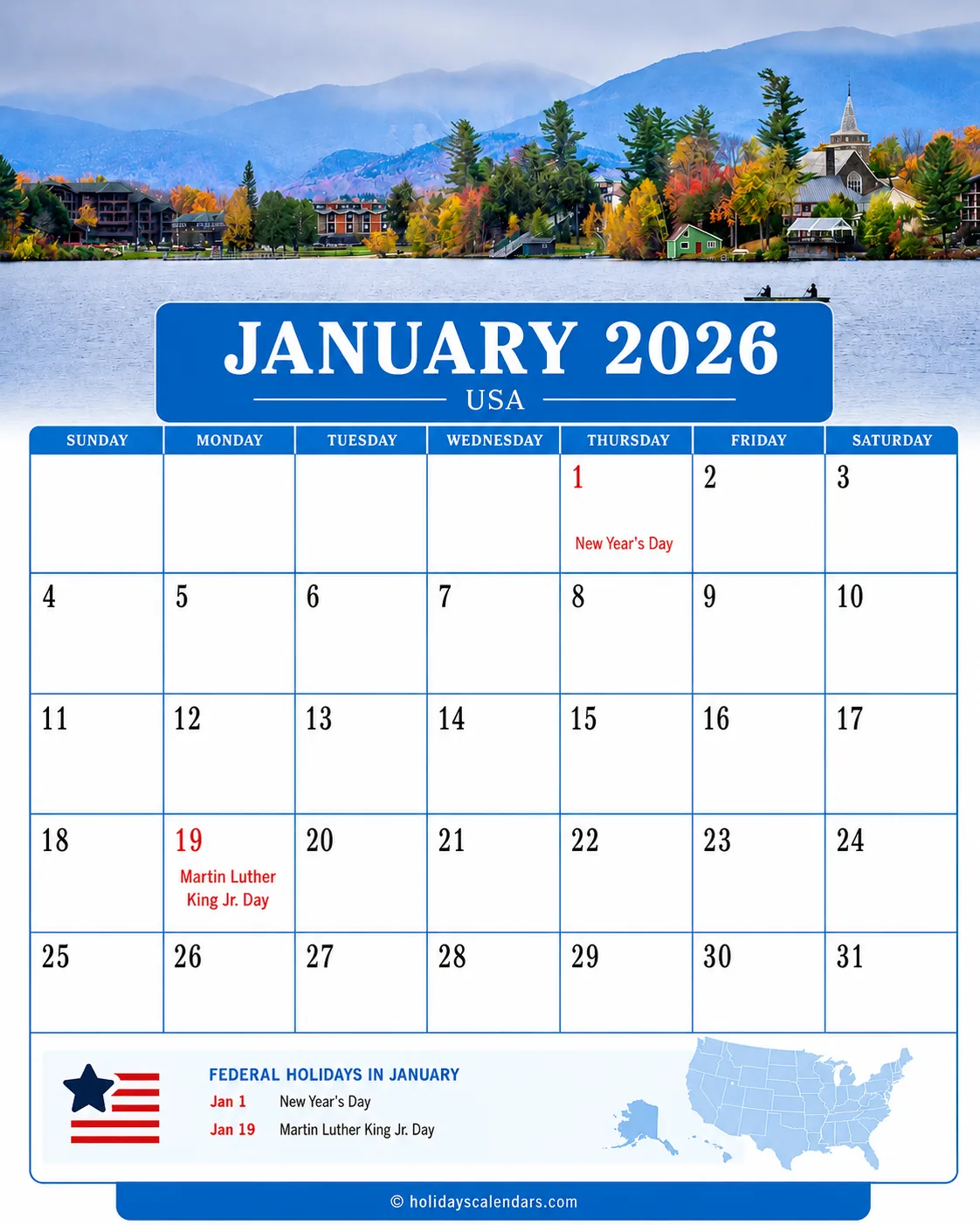
January 1 affects more than bank branches and regular mail. Use the service-specific guidance below for federal appointments, payments, postal deadlines, trading, school calendars, and workplace plans. A federal holiday does not create one universal schedule for every organization.
Banks and Payment Processing
Federal Reserve Banks observe New Year's Day on Thursday, January 1, 2026. Many physical bank and credit-union branches also close, but branch policies should be checked directly. ATMs, mobile apps, and online banking may remain available while ACH transfers, checks, deposits, and other business-day processing can wait until the next banking day.
A transaction can be submitted online while the branch is closed without becoming a completed business-day transaction. ACH files, wires, check clearing, and some transfers may remain pending until processing resumes. Confirm the cutoff and posting date before the holiday when a payment or transfer is time-sensitive, and compare the broader 2026 bank holiday calendarwhen several closure dates affect the same plan.
USPS, Post Offices, and Regular Mail
USPS retail counters are closed and regular mail delivery is not scheduled for New Year's Day. Online tracking and other digital tools can remain available, and limited Priority Mail Express service may operate under its own rules. Regular post office and delivery service generally resumes Friday, January 2.
Online postage, tracking, and label creation can still be available, but creating a label does not mean the item will receive a January 1 acceptance scan or regular collection. If a mailing deadline or postmark matters, check the official USPS notice or local Post Office collection time before sending. Private delivery companies publish separate holiday schedules that are not controlled by USPS hours. The2026 post office holiday calendarprovides the wider postal-planning view.
Federal Offices and Government Services
Non-essential federal offices generally close on Thursday, January 1. Essential public-safety, security, medical, and other continuous operations can remain active. A federal appointment or filing that depends on an office being open should be checked against the responsible agency's holiday instructions rather than assumed from the calendar date alone.
State courts, city offices, public transit, clinics, and other local services publish their own calendars. Many also observe New Year's Day, but their emergency coverage, online services, and reopening times are not controlled by the federal schedule.
NYSE, Nasdaq, and Stock Market Trading
The New York Stock Exchange and Nasdaq list Thursday, January 1, 2026 as a market holiday. Regular U.S. stock-market trading is closed. Orders, settlement dates, and account activity around the holiday should be checked with the brokerage, especially when a deadline depends on a trading or settlement day.
The U.S. market schedule does not automatically describe overseas exchanges, cryptocurrency markets, or every alternative trading venue. Use the calendar published by the market that handles the transaction, and compare other exchange closures in the2026 market holiday calendar.
Schools, Private Workplaces, and Retail Hours
Many schools are already within winter break on January 1, but the first day back depends on the district, college, or private-school calendar. Federal holiday status does not set one nationwide school reopening date. Use the relevant district calendar first, then consult the 2026 school holiday calendarswhen comparing education schedules across countries and jurisdictions.
Private employers and retailers may close, shorten hours, or operate normally. Check the employer, store, restaurant, or local service notice that governs the schedule you need instead of treating the federal-office closure as a universal business-hours rule.